
Blog
Nursing Paper Example on Carbon Monoxide Poisoning

Nursing Paper Example on Carbon Monoxide Poisoning
Causes
Signs and Symptoms
:max_bytes(150000):strip_icc()/VWH-JessicaOlah-CommonSymptomsofCarbonMonoxidePoisoning-Standard-460087eaa2ad4058af35e4606caabe07.jpg)
Etiology
Carbon monoxide (CO) poisoning occurs when individuals are exposed to elevated levels of CO gas, leading to the formation of carboxyhemoglobin (COHb) in the bloodstream. CO is produced through incomplete combustion of carbon-containing materials, such as wood, gasoline, propane, and natural gas. The primary sources of CO exposure include malfunctioning household appliances, vehicle exhaust, fires, and occupational settings where combustion processes occur.
Upon inhalation, CO rapidly diffuses across the alveolar-capillary membrane in the lungs and enters the bloodstream. CO has a high affinity for hemoglobin, the oxygen-carrying protein in red blood cells, and forms a stable bond with hemoglobin molecules to create COHb. This process interferes with the normal oxygen transport function of hemoglobin, reducing the blood’s oxygen-carrying capacity and impairing oxygen delivery to tissues and organs.
The formation of COHb disrupts the oxygen dissociation curve, shifting it to the left and reducing the release of oxygen to tissues, even in the presence of adequate arterial oxygen tension. This leads to tissue hypoxia, particularly in organs with high oxygen demand, such as the brain, heart, and lungs.
In addition to its affinity for hemoglobin, CO can also directly affect cellular function and metabolism. CO inhibits cytochrome c oxidase, a key enzyme involved in the electron transport chain of mitochondrial respiration. By interfering with cellular respiration, CO disrupts ATP production and cellular metabolism, contributing to tissue hypoxia and cellular dysfunction.
Furthermore, CO induces oxidative stress and inflammation by generating reactive oxygen species (ROS) and activating inflammatory pathways. ROS can cause cellular damage and lipid peroxidation, further exacerbating tissue injury and organ dysfunction.
Overall, the etiology of CO poisoning involves complex interactions between CO gas, hemoglobin, cellular metabolism, oxidative stress, and inflammatory processes, ultimately leading to systemic effects and clinical manifestations of CO toxicity. (Nursing Paper Example on Carbon Monoxide Poisoning)
Pathophysiology
Carbon monoxide (CO) poisoning disrupts normal cellular oxygen metabolism, leading to systemic hypoxia and tissue injury. Upon inhalation, CO rapidly binds to hemoglobin, forming carboxyhemoglobin (COHb), which has a higher affinity for oxygen than hemoglobin. This results in the displacement of oxygen molecules from hemoglobin, reducing the blood’s oxygen-carrying capacity and impairing oxygen delivery to tissues and organs.
The formation of COHb shifts the oxygen dissociation curve to the left, inhibiting the release of oxygen to tissues, even in the presence of adequate arterial oxygen tension. This leads to tissue hypoxia, particularly in organs with high oxygen demand, such as the brain, heart, and lungs. Hypoxic injury can result in cellular dysfunction, oxidative stress, and inflammatory responses.
In addition to its effects on hemoglobin, CO can directly impact cellular metabolism and function. CO inhibits cytochrome c oxidase, a critical enzyme in the electron transport chain of mitochondrial respiration. By disrupting cellular respiration, CO impairs adenosine triphosphate (ATP) production and cellular metabolism, further contributing to tissue hypoxia and cellular dysfunction.
Furthermore, CO induces oxidative stress by generating reactive oxygen species (ROS), leading to cellular damage, lipid peroxidation, and mitochondrial dysfunction. ROS-mediated damage exacerbates tissue injury and triggers inflammatory responses, amplifying the pathophysiological effects of CO poisoning.
The central nervous system (CNS) is particularly vulnerable to CO toxicity due to its high oxygen demand and susceptibility to hypoxic injury. CO poisoning can cause cerebral edema, neuronal damage, and demyelination, leading to neurological deficits and long-term cognitive impairment.
Overall, the pathophysiology of CO poisoning involves complex interactions between CO, hemoglobin, cellular metabolism, oxidative stress, and inflammatory processes, ultimately resulting in systemic hypoxia, tissue injury, and neurological sequelae. Understanding the underlying mechanisms of CO toxicity is essential for developing effective treatment strategies and minimizing the long-term consequences of CO exposure. (Nursing Paper Example on Carbon Monoxide Poisoning)
DMS-5 Diagnosis
Treatment Regimens and Patient Education
Management of carbon monoxide (CO) poisoning focuses on prompt removal from the source of exposure, administration of supplemental oxygen, and consideration of hyperbaric oxygen therapy (HBOT) in severe cases. Additionally, patient education plays a crucial role in preventing future incidents and promoting safety measures to minimize the risk of CO exposure.
Immediate Actions:
- Removal from the Source: The first step in treating CO poisoning is to remove the patient from the contaminated environment to prevent further exposure.
- Supplemental Oxygen: Administering high-flow oxygen via a non-rebreather mask or endotracheal tube increases the elimination half-life of CO and facilitates the displacement of CO from hemoglobin, restoring tissue oxygenation.
- Monitoring: Continuous monitoring of vital signs, including pulse oximetry, is essential to assess the patient’s response to treatment and detect any deterioration in clinical status.
Hyperbaric Oxygen Therapy (HBOT):
- In severe cases of CO poisoning, particularly when patients present with altered mental status, neurologic deficits, or signs of tissue hypoxia, hyperbaric oxygen therapy (HBOT) is recommended.
- HBOT involves placing the patient in a hyperbaric chamber and administering 100% oxygen at increased atmospheric pressure. This accelerates the elimination of CO from the bloodstream and tissues, promotes tissue oxygenation, and reduces the risk of long-term neurological sequelae.
Patient Education:
- Prevention Strategies: Educating patients and their families about the importance of proper ventilation, regular maintenance of household appliances (e.g., furnaces, water heaters), and installation of CO detectors can help prevent CO exposure.
- CO Detector Use: Encouraging the installation of CO detectors in homes and other enclosed spaces where combustion appliances are used can provide early warning of CO leaks and prompt evacuation.
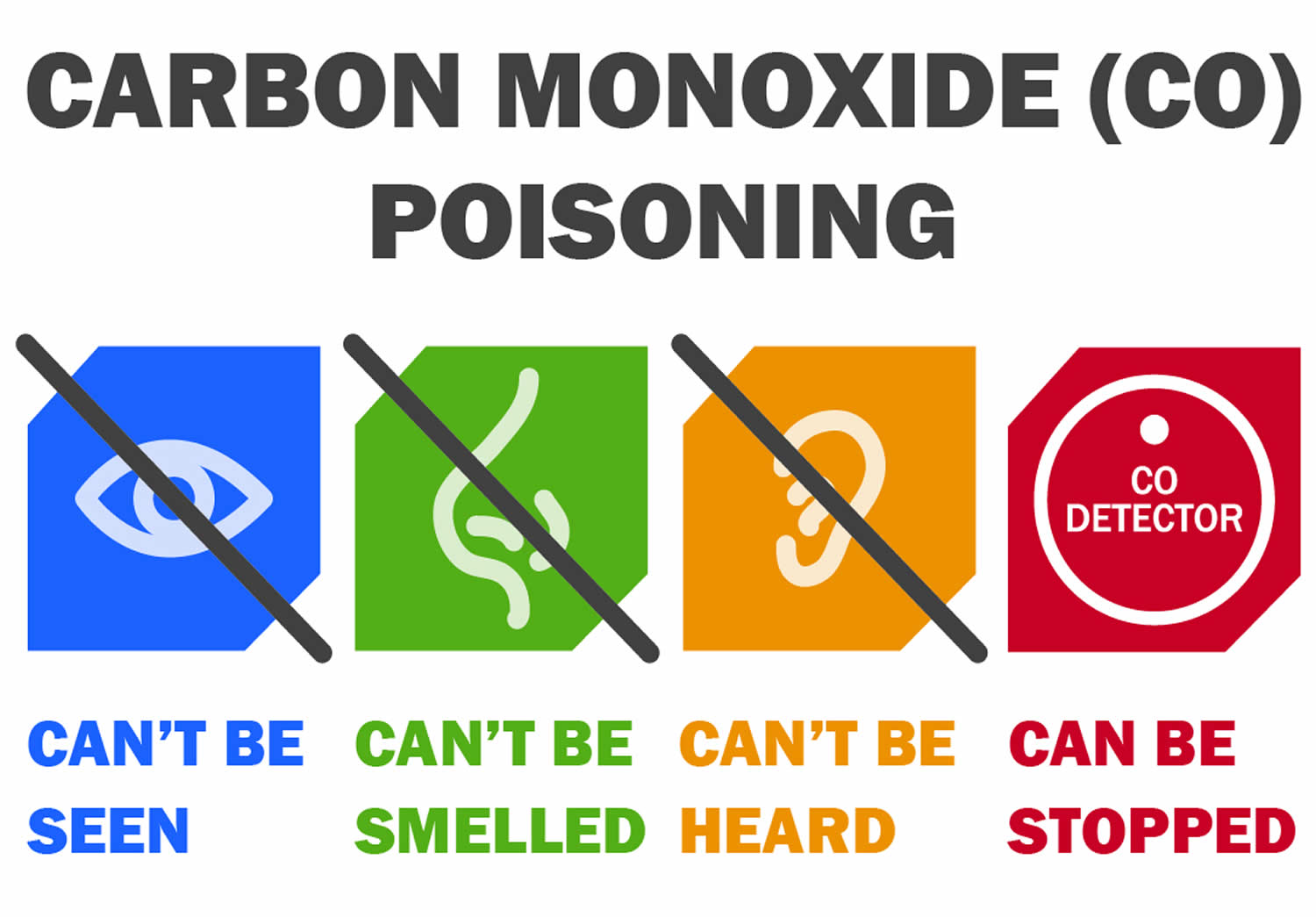
- Safe Practices: Advising against the use of fuel-burning appliances, such as charcoal grills or portable generators, indoors or in enclosed spaces can prevent CO buildup and minimize the risk of poisoning.
- Emergency Preparedness: Educating patients about the signs and symptoms of CO poisoning, emphasizing the importance of seeking immediate medical attention if exposure is suspected, and knowing how to respond in case of an emergency can save lives.
Overall, a multidisciplinary approach involving healthcare providers, emergency responders, and public health agencies is essential in the management and prevention of CO poisoning. By implementing effective treatment regimens and providing comprehensive patient education, healthcare professionals can mitigate the impact of CO toxicity and empower individuals to safeguard against future exposures. (Nursing Paper Example on Carbon Monoxide Poisoning)